Paraxanthine: Forms of Release and Which to Choose
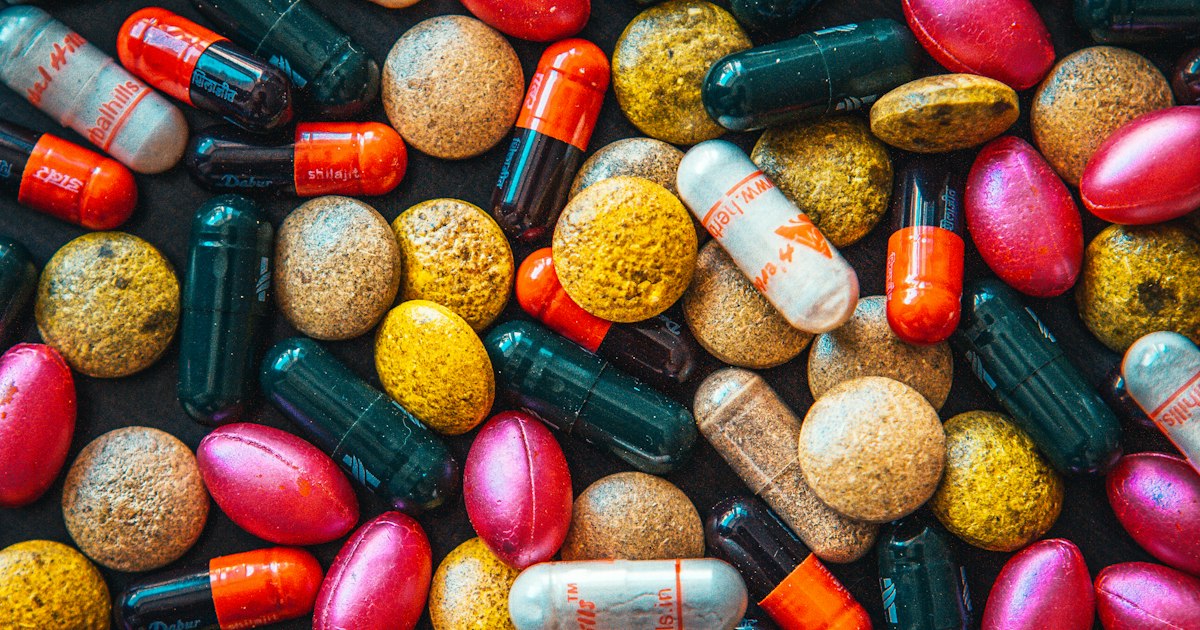
Paraxanthine is sold in several forms — from capsules with precise dosing to pre-workout formulas and drinks. The editorial team compared them by convenience, dose control and safety, and prepared criteria that will help you choose a quality product.
What forms of paraxanthine exist
Paraxanthine as a dietary supplement ingredient appeared on the market relatively recently, so the range of forms is still more modest than for caffeine. Nevertheless, the main options have already taken shape: capsules and tablets with a fixed dose, pre-workout formulas, energy drinks and powder mixes.
The substance itself is synthetic paraxanthine of high purity. In nature it is practically not found in plants in noticeable amounts, but forms in the body from caffeine. So the phrase "natural paraxanthine" on a label should raise questions.
The market has both patented branded paraxanthine substances, for which the raw-material manufacturer conducted studies, and unbranded raw material. The branded form is not necessarily better in composition, but it usually has documented purity and references to specific studies.
The choice of form depends on the goal, habits and how precisely you want to control the dose. Below we examine each option with its advantages and limitations.
Capsules and tablets
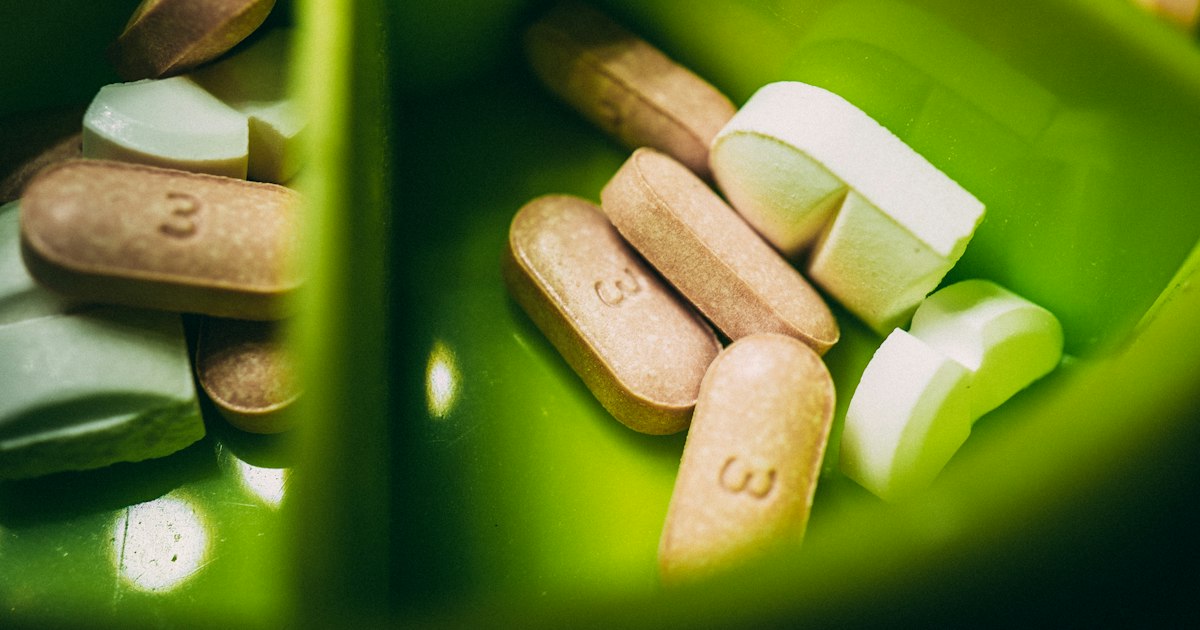
Capsules and tablets are the most common and, in the editorial team's opinion, the most rational form of paraxanthine. Each unit contains a fixed amount of the substance, most often 100–200 mg, which corresponds to the range studied in research. It is hard to make a dosing mistake here.
A capsule is also convenient for gradually getting acquainted with the substance. If the manufacturer offers a 100 mg dose, it is easy to start with one capsule and assess the reaction without counting milligrams. For larger doses, tablets sometimes have a score line.
The form's drawbacks are minimal: a slightly slower onset of effect compared to liquid forms and the presence of excipients — fillers, anti-caking agents, the capsule shell. People who avoid gelatin should pay attention to plant-based capsules.
The capsule form is also best suited for combining with other supplements, since it lets you combine them flexibly rather than getting a "package" in fixed proportions, as in pre-workout formulas.
Pre-workout formulas and drinks
Pre-workout formulas often contain paraxanthine together with caffeine, theacrine, citrulline, beta-alanine and other ingredients. Such a product is convenient: one scoop and everything is ready. But convenience has its price.
The first risk is the summation of stimulants. If a serving contains both paraxanthine and caffeine, the action will be stronger than from each one separately, and the total amount of methylxanthines may exceed reasonable limits. This especially applies to people who additionally drink coffee.
The second risk is an opaque composition. "Proprietary blends," which state only the total mass of several ingredients, do not let you understand exactly how much paraxanthine you are getting. The editorial team advises choosing products with full disclosure of the amount of each component.
Energy drinks with paraxanthine are a relatively new segment. The liquid form ensures faster absorption, and the dose in a can is fixed. However, one should remember the sugar, sweeteners, acids and other components of the drink, as well as the fact that one can easily turns into two.
| Form | Advantages | Drawbacks | Who it suits |
|---|---|---|---|
| Capsules / tablets | Precise dose, convenience, flexibility of combinations | Excipients, a slightly slower start | Most people, especially beginners |
| Pre-workout formulas | Everything in one serving | Summation of stimulants, opaque composition | Experienced users who know their tolerance |
| Energy drinks | Fast effect, fixed serving | Sugar, acids, the temptation to drink more | For occasional use |
| Pure powder | Low price per gram | High risk of overdose | The editorial team does not recommend it for home use |
Why pure powder is dangerous
Pure powders of highly active methylxanthines are a separate topic. For caffeine, the FDA in 2018 issued a guidance in which it deemed dietary supplements with pure or highly concentrated caffeine sold in bulk dangerous because of the risk of fatal overdose: the difference between a safe and a toxic amount is measured in fractions of a gram.
Paraxanthine belongs to the same class of substances. Although its toxicological characteristics are less studied, the basic principle remains: a concentrated stimulant powder requires a jeweler's scale accurate to the milligram, and household measuring spoons are unsuitable for this.
Even experienced athletes make mistakes with such powders: a misread label, mixed-up spoons, an attempt to estimate "by eye." The consequences can include severe palpitations, arrhythmias and convulsions.
That is why the editorial team advises against buying pure paraxanthine in bulk for self-dosing. If you still want to use a powder form, choose products where paraxanthine is already mixed with other components at a safe per-serving concentration.
How to assess product quality
Regardless of the form, product quality is determined by several criteria. The first is transparency of composition: the label should state the exact amount of paraxanthine in milligrams per serving, as well as all other active ingredients.
The second is quality control. Independent laboratory certificates, compliance with manufacturing standards (GMP), participation in banned-substance testing programs for athletes — all of these are signs of a responsible manufacturer.
The third is the origin of the raw material. A branded substance with open study data gives more confidence that the capsule really contains paraxanthine of the required purity, and not a mix with caffeine or other substances.
A short checklist for choosing:
- a fixed dose of 50–200 mg per serving, stated in milligrams;
- the absence of "proprietary blends" of stimulants;
- information about quality control and the raw-material manufacturer;
- a clear expiration date and storage conditions;
- a form that matches your goal: capsules for precision, a formula for convenience.
Adhering to these criteria significantly reduces the chance of buying an ineffective or dangerous product.
Editorial conclusions
For most people, the optimal form of paraxanthine is capsules or tablets with a fixed dose of 100–200 mg: they allow precise control of the amount of the substance.
Pre-workout formulas and drinks are convenient but require careful reading of the label because of the possible summation of stimulants.
The editorial team does not recommend pure paraxanthine powder for home use because of the high risk of overdose. Check product quality by the transparency of the composition and the presence of independent control.
It is also useful to read our materials "How to Take Paraxanthine: Dosage, Timing, Duration," "Side Effects of Paraxanthine" and "What to Combine Paraxanthine With."
References
- U.S. Food and Drug Administration. Highly concentrated caffeine in dietary supplements: guidance for industry. Silver Spring (MD): FDA; 2018.
- Xing D, Yoo C, Gonzalez D, et al. Dose-response of paraxanthine on cognitive function: a double blind, placebo controlled, crossover trial. Nutrients. 2021;13(12):4478.
- EFSA Panel on Dietetic Products, Nutrition and Allergies (NDA). Scientific opinion on the safety of caffeine. EFSA J. 2015;13(5):4102.
- Guest NS, VanDusseldorp TA, Nelson MT, et al. International Society of Sports Nutrition position stand: caffeine and exercise performance. J Int Soc Sports Nutr. 2021;18(1):1.
- Arnaud MJ. Pharmacokinetics and metabolism of natural methylxanthines in animal and man. Handb Exp Pharmacol. 2011;(200):33–91.
- Orrú M, Guitart X, Karcz-Kubicha M, et al. Psychostimulant pharmacological profile of paraxanthine, the main metabolite of caffeine in humans. Neuropharmacology. 2013;67:476–484.
Andriy Melnyk
A strength-sports coach and author of programs for beginner and intermediate levels. Writes about training planning.